Book Now
 Call Us
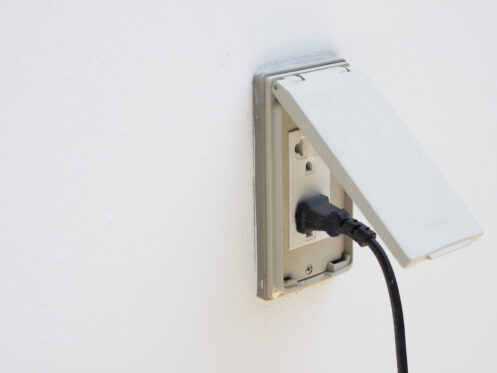
Outdoor outlets make it easy to power everything from holiday lights to lawn tools, but in Florida’s climate, they also undergo more exposure than most homeowners realize. Rain, humidity, heat, and salt in the air can affect how the exterior electrical connections hold up. That combination means a simple plug-in can pose a greater risk if the outlet and its protection are not working correctly.
What Makes an Outlet “Outdoor Safe”?
An outdoor outlet faces challenges that indoor wiring never sees. Heat, rain, humidity, wind, and insects all try to find their way into the box. An outlet for exterior use starts with materials that can handle those conditions without breaking down or allowing moisture to reach live parts. You can often spot these devices by their labeling.
An outdoor GFCI outlet adds another layer of protection by cutting power when electricity moves in a way it should not. That matters when damp ground, wet hands, or metal tools become part of the path. This protection can be directly in the outlet or at the breaker that goes to the circuit. Either approach can work when installed correctly, but both rely on proper wiring and a tight seal around the electrical box. If gaps form where the box meets the wall or conduit enters the housing, water can still enter inside and create corrosion or false trips.
Weather-Resistant Devices, In-Use Covers, Sealed Connections
Weather-resistant outlets use materials that hold up better against moisture and heat. The plastic face resists cracking, and the internal parts are coated to slow corrosion. That doesn’t mean they can sit exposed. A proper weatherproof outlet cover protects the outlet face when nothing is plugged in and keeps rain from pooling against the device.
An in-use cover takes that idea further by shielding the outlet while a cord is connected. This type of cover forms a small enclosure around the plug, so you can run outdoor lighting, tools, or fans without leaving the outlet open to the elements. The seal around the cord opening matters just as much as the lid itself. If that seal gaps or warps, water can drip down the cord and into the box.
Sealed connections behind the wall also matter. Electricians use gaskets and fittings that close the space where the conduit meets the box. If those seals fail, moisture can travel through the wall cavity and reach the outlet. Signs of that kind of problem include rust streaks below the box or a gritty buildup on the mounting screws.
Troubleshooting: When an Outdoor Outlet Stops Working
An outdoor outlet not working can be a small annoyance, yet it often points to a protection device doing its job. The first thing many homeowners notice is that power is gone. That usually means a GFCI or breaker has tripped. Outdoor circuits are more sensitive because moisture, worn cords, or a brief surge can trigger a shutoff.
Start by checking whether other outlets nearby have power. If several outlets are out, the circuit breaker may have tripped. A single outlet without power often indicates a GFCI protecting multiple downstream receptacles. These protection points are not always outside. Sometimes, the reset button is in a garage, bathroom, or utility area that feeds the outdoor run.
Moisture intrusion leaves clues. A cover that feels damp inside, condensation behind the plastic, or a faint green or white residue on metal parts can mean that water is getting inside. After heavy rain or sprinkler use, an outlet may refuse to reset until the area dries. If this happens more than once, the problem is not just the weather. It often means the box, seals, or wiring path needs attention.
Resetting GFCI, Breaker Checks, Signs of Moisture Intrusion
When a GFCI outlet outside trips, it cuts power fast. Resetting it is simple, yet the reason it tripped matters more than the button itself. If the outlet resets and works as normal, it may have reacted to a momentary issue, like a damp cord or a brief surge. If it trips again as soon as you plug something in, that points to a deeper problem, such as a damaged extension cord or a wet connection inside the box.
Breaker checks follow a similar pattern. A breaker that trips once during a storm and stays on afterward may not signal a lasting issue. A breaker that keeps shutting off suggests a circuit under strain or exposed to moisture. Warm breaker panels, buzzing sounds, or a faint burning odor should never be ignored.
Moisture intrusion often shows up through texture and smell before it becomes visible damage. Soft drywall around the outlet box, bubbling paint, or a musty odor near the wall can signal that water is traveling behind the surface. These signs call for a professional inspection because the wiring path inside the wall can remain wet after the surface dries.
Common Hazards to Avoid
Outdoor power is convenient, yet small habits can raise risk. One common issue is treating extension cords as a permanent wiring solution. Cords left plugged in for months at a time get sun exposure and foot traffic. The insulation can crack, and the plug blades can corrode. When that damaged cord meets an outlet, it can cause heat buildup or repeated tripping.
Standing water is another hazard that often gets overlooked. Puddles near patios, downspouts, or low spots in the yard can turn the ground into a conductor. Using tools or lighting in those areas increases the risk that electricity finds a path through wet soil or concrete.
Connections that hang loose also cause trouble. Splitters and adapters put weight on the outlet face and can loosen the receptacle inside the box. Over time, that looseness creates poor contact, which can lead to heat and flickering power.
Extension Cords as Permanent Power, Standing Water Risks
Using an extension cord for a weekend project is one thing, but leaving it in place for a season is another. Permanent outdoor setups deserve proper wiring and a dedicated outlet in the right location. Cords that snake across walkways or sit in landscaping beds undergo constant wear. That wear often goes unnoticed until the cord fails or triggers protection devices.
Standing water can also collect inside covers. After a storm, a cover may trap moisture against the outlet face. When you open it to plug something in, that moisture can drip onto the plug blades. If this happens often, the outlet contacts can corrode and lose their grip. In a climate with heavy rain, salty air, and high humidity, outdoor electrical safety for Florida homeowners depends on sealed covers, solid connections, and outlets that are built for exterior use.
Outdoor Electrical Safety Starts With the Right Protection
Keeping your outdoor outlets safe goes beyond adding a cover or pressing a test button once a year. Along with GFCI checks and weatherproof upgrades, Top Flight Electric in Winter Haven also supports homeowners with outlet replacements, breaker inspections, and whole-home electrical evaluations that help identify hidden risks. Schedule a safety check with Top Flight Electric and take a simple step toward a more dependable electrical setup for patio outlet safety.