Book Now
 Call Us
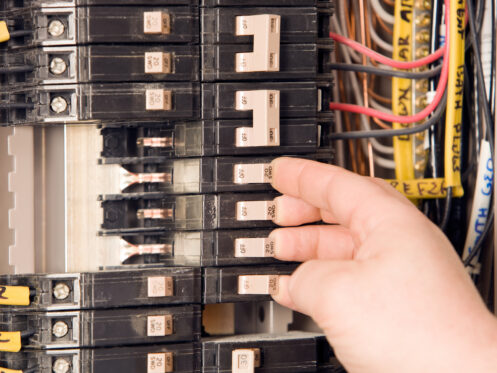
Many Florida homes (especially those built before the 1990s) still rely on 100-amp or 125-amp electrical panels. But modern households typically have several large appliances, electrical HVAC systems, water heaters, pool pumps, and high-wattage kitchen equipment—all of which require electricity.
Florida’s climate also affects electrical load. Homeowners often use air conditioning nearly year-round, and other equipment like dehumidifiers and pool heaters use a large amount of electricity.
But not every household is the same; it’s important to consider your individual usage and the needs of your home. Here’s how to know if you need a panel upgrade for your Florida home.
What a 200 Amp Panel Upgrade Actually Changes
Systems that run in the background can often go overlooked when it comes to home upgrades, but upgrading to a 200-amp electrical panel can have a big impact on your home in several ways.
Capacity
Perhaps the most obvious way that a 200-amp panel can support your home is by providing more available power. If you plan to upgrade appliances, install an EV charger, or put an addition on your home, you’ll need greater capacity to meet those demands.
Safety
Replacing outdated or unsafe equipment can help reduce fire risk. Modern breakers respond more reliably to overloads or short circuits, and they can also give you an opportunity to eliminate common hazards of older panels.
Code Compliance
Florida’s electrical code is updated regularly for safety, requiring updated grounding and surge protection during major service upgrades. An updated 200-amp panel ensures compliance, helping you avoid failed inspections during renovations, additions, or home sales.
Future-Ready Circuits
Having a higher capacity supports future home upgrades you’d like to make. You might decide to install a heat pump or purchase a whole-home generator, build a workshop, or renovate your kitchen with modern appliances. Upgrading your electrical panel now gives you the foundation to make those changes more easily.
9 Signs You May Need a Panel Upgrade
Not every home or family is the same. Your habits, daily usage, and the age of your home all affect your capacity needs. However, there are some signs that certainly point to a need for an updated panel.
Frequent Breaker Trips
Breaker trips indicate that your circuits are overloaded. This can happen when you’re running several large electrical appliances at the same time—like your AC, dryer, and oven. If you experience this often, it’s a sign that you likely need a panel upgrade to meet your capacity needs.
Flickering Lights
Lights dimming (especially when appliances start up) indicates insufficient capacity or loose connections. This can look like a single flicker in the moment, or like lights dimming for longer periods while the vacuum is in use, for example. A light that can’t seem to decide if it’s gone out or not—it works and then it doesn’t—can also be an indicator that you need a higher capacity.
Warm Panel
Take a look at your current panel, then touch its outer edge. If it’s warm or hot, it can be a sign of overloaded circuits or failing breakers. Both of these are fire hazards, so you’ll want to address them as soon as possible.
Buzzing
A buzzing or humming sound coming from the electrical panel can indicate loose wiring or a failing breaker. Check with a trusted local electrician for a more accurate diagnosis.
Burning Smell
A burning smell indicates overheating inside the panel. You’ll want to address this problem immediately, so schedule an appointment with an electrician right away.
Corrosion/Rust
Corrosion and rust can be common in Florida homes due to the humidity and coastal air. Aside from weakening connections, this issue can also increase fire risk, so it’s best to replace the rusted parts or the entire panel if it’s recommended.
Renovations
Whether you’re remodeling a kitchen, adding on a room, or converting a garage to a living space, renovations typically require more circuits than older panels can support. Installing an upgraded panel at the same time can help you avoid electrical issues down the line and ensure you have enough capacity to meet the increased electrical demand.
EV Charger Plans
Level 2 chargers require a 40-60 amp dedicated circuit. Installing one means you’ll definitely need a higher capacity.
Generator/Transfer Switch Needs
Whole-home generators and transfer switches require space and capacity that older panels don’t have. If you think you’ll be adding one to your home setup anytime in the future, you’ll need a higher-capacity electrical panel.
Panel Upgrade vs. Panel Repair: How to Decide
There are some situations where you may not need a full upgrade and a simple repair will do. But knowing how to determine which is best is crucial. Repeated repairs won’t do much if you simply don’t have the capacity to meet your home’s needs, and it’s pointless to upgrade simply because everyone else is doing it.
When a Breaker Swap Is Enough vs. When the Whole Service Needs Updating
The best way to determine if you need repair or replacement is to call an electrician. Still, there are some general guidelines you can follow to give you an idea before your scheduled appointment.
If there’s a single breaker that’s worn out or there’s a specific circuit overloaded but the panel still has capacity, these can typically be fixed with a simple repair. When this is the case, you usually won’t see sign of heat damage, corrosion, or structural issues.
However, if the panel is routinely overloaded or is showing signs of damage or corrosion, an upgrade is probably the safest and most cost-effective option. Certain panel brands are also known for safety issues, so your electrician may also recommend replacing it if that’s the case.
What to Expect During a Panel Upgrade in Polk County
Knowing what to expect at your electrical appointment can help you be prepared and have any information ready for your electrician.
Assessment
During the assessment, your electrician will inspect the existing panel, meter, grounding, and overall load. They’ll also look for any code issues or safety hazards.
Load Evaluation
As a part of the assessment, they will calculate your home’s electrical demand based on appliances, HVAC, and any future plans that will affect electrical load.
Permits/Inspection
Polk County requires permits for service upgrades, so our electrician will help you obtain the proper permits. You may also need to coordinate with your utility company if the power needs to be disconnected during your service appointment.
Install Day
On install day, your power will be temporarily shut off for safety while your electrician removes the old panel and installs the new 200-amp panel and breakers. They’ll also update grounding and bonding as needed, and may add surge protection if necessary.
Labeling/Walkthrough
After the installation, your electrician will label each circuit clearly and give you a walkthrough of the new panel and any important features you need to be aware of. Once power is restored, they’ll test the panel to ensure everything is working as it should.
Next Steps
If you’re located in Polk County, scheduling a panel inspection is a great way to ensure your system is up to date and working safely. Our licensed electricians can help you plan for future home upgrades, address any concerns, and provide recommendations tailored to your home’s needs.
To learn more about what a panel upgrade could look like for your home, or to schedule an assessment, give our team a call today.